The Homeowner’s 24-Hour Storm Response Checklist: Navigating Roof Damage in Fulton County
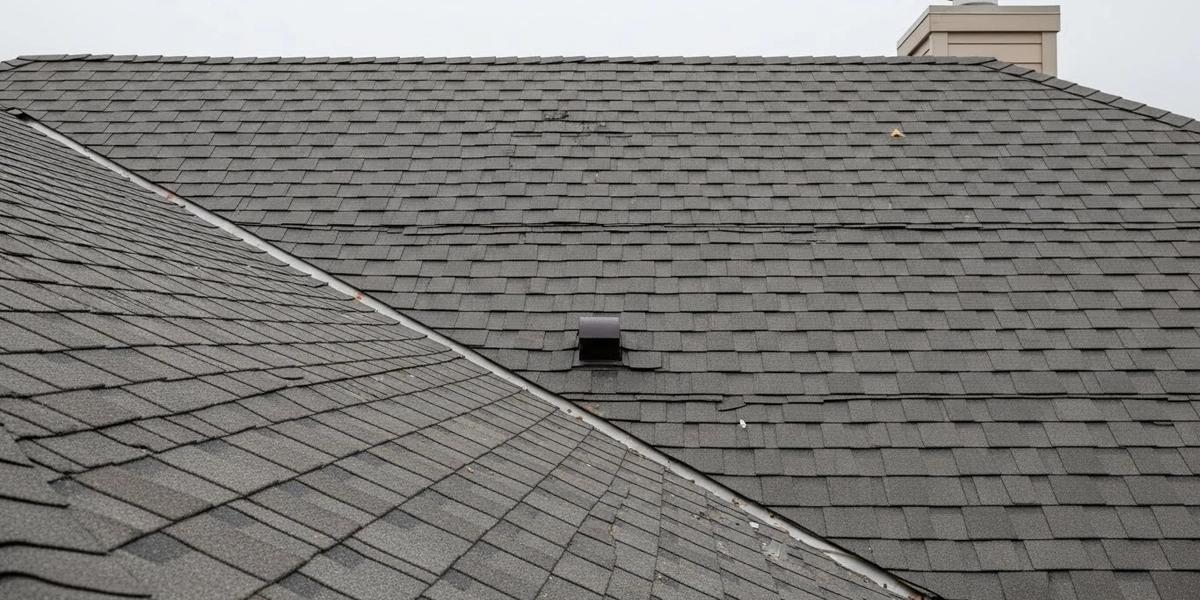
Metro Atlanta is no stranger to severe weather. From intense thunderstorms packing "straight-line winds" to sudden hailstorms that can appear out of nowhere, our homes are often on the front lines. When a storm passes, the immediate aftermath can be chaotic and stressful, especially if you suspect roof damage.
Knowing what to do in the critical 24 hours following a storm can not only protect your home from further damage but also simplify the insurance claim process. This checklist provides clear, actionable steps for Fulton County homeowners to assess, secure, and report potential roof damage with confidence.
Immediate Post-Storm Actions (First 1-2 Hours)
The moments right after a storm are crucial for safety and initial assessment.
1. Prioritize Safety First
- Stay Indoors: Do not go onto your roof immediately after a storm. There may be hidden hazards like live wires, unstable structures, or slippery surfaces.
- Check for Interior Leaks: Look for water stains on ceilings, walls, or dripping water. Place buckets under any active leaks to contain water and minimize interior damage.
- Avoid Standing Water: Be extremely cautious around any standing water inside or outside your home, especially if power lines are down.
2. Document the Scene (From a Safe Distance)
- Grab Your Phone/Camera: Begin taking photos and videos of the storm's impact on your property from the ground.
- Focus on Debris: Document fallen trees, broken fences, or anything that indicates the storm's severity.
- Exterior VIsuals: Capture any visible roof damage (missing shingles, lifted edges, dents on gutters, broken vents) from different angles of your yard.
3. Secure Your Property (Temporary Measures)
- Contain Interior Leaks: Continue to manage any internal leaks with buckets and towels.
- Consider Tarping (If Safe): If you can safely access areas of obvious damage from a ladder (and only if it is stable and safe to do so), consider placing a temporary tarp over exposed areas to prevent further water intrusion. However, if in doubt, do not risk it—wait for professionals.
Assessing Damage & Next Steps (Hours 2-12)
Once the immediate danger has passed, it's time for a more thorough (but still safe) assessment and to begin the outreach process.
4. Contact a Reputable Local Roofer
- Avoid Storm Chasers: Be wary of out-of-town contractors who solicit door-to-door immediately after a storm. Prioritize local companies with established reputations, like Seabridge Roofing, who understand Fulton County's building codes and insurance processes.
- Schedule an Inspection: Arrange for a professional, no-obligation roof inspection. A qualified roofer can safely get on your roof, identify hidden damage, and provide a detailed report.
- What they look for: Missing or cracked shingles, hail damage (pitting/bruising on shingles, vents, and gutters), granule loss, damaged flashing, and structural issues.
5. Review Your Insurance Policy
- Locate Documents: Find your homeowner's insurance policy. Understand your deductible, what types of storm damage are covered (wind, hail, falling trees), and your specific reporting requirements.
- Coverage for Temporary Repairs: Many policies cover reasonable costs for temporary repairs to prevent further damage. Keep all receipts!
6. Notify Your Insurance Company
- Prompt Reporting: Contact your insurance provider as soon as possible to report potential damage. Delays can sometimes affect your claim.
- Provide Initial Information: Share the date of the storm and a summary of any visible damage or leaks you've observed. Let them know a professional inspection is underway.
Moving Forward (Hours 12-24 and Beyond)
The final steps involve working with professionals to restore your roof.
7. Coordinate Inspections
- Roofer First: Ideally, have your professional roofer assess the damage before the insurance adjuster arrives. This ensures you have an expert advocate identifying all damage that might be covered.
- Joint Inspection (If Possible): If your schedule allows, try to be present during both your roofer's and the insurance adjuster's inspections. Your roofer can point out specific damage to the adjuster.
8. Understand the Scope of Work & Estimates
- Detailed Estimate: Your chosen roofer should provide a comprehensive, itemized estimate for all necessary repairs or replacement. This estimate should align with industry standards and local building codes for Fulton County.
- Beware of Low-Ball Offers: Be cautious of contractors who offer extremely low bids, as this can often indicate cutting corners on materials or workmanship.
9. Make Informed Decisions
- Choose a Trusted Partner: Select a local roofing company with a proven track record of quality, transparent communication, and strong references in the Metro Atlanta area.
- Don't Rush: While urgency is important for mitigating damage, don't feel pressured into making a decision you're not comfortable with.
Conclusion
A severe storm can be unsettling, but a clear plan of action can significantly reduce stress and protect your most valuable asset—your home. By prioritizing safety, meticulously documenting damage, and engaging trusted local professionals like Seabridge Roofing, you can navigate the aftermath of any storm efficiently and effectively.
Experiencing storm damage in Fulton County? Don't wait! Contact Seabridge Roofing today for a rapid, no-obligation professional roof inspection and expert guidance through the repair and insurance claims process.