Causes of Cyanobacteria Growth: The Atlanta "Perfect Storm"
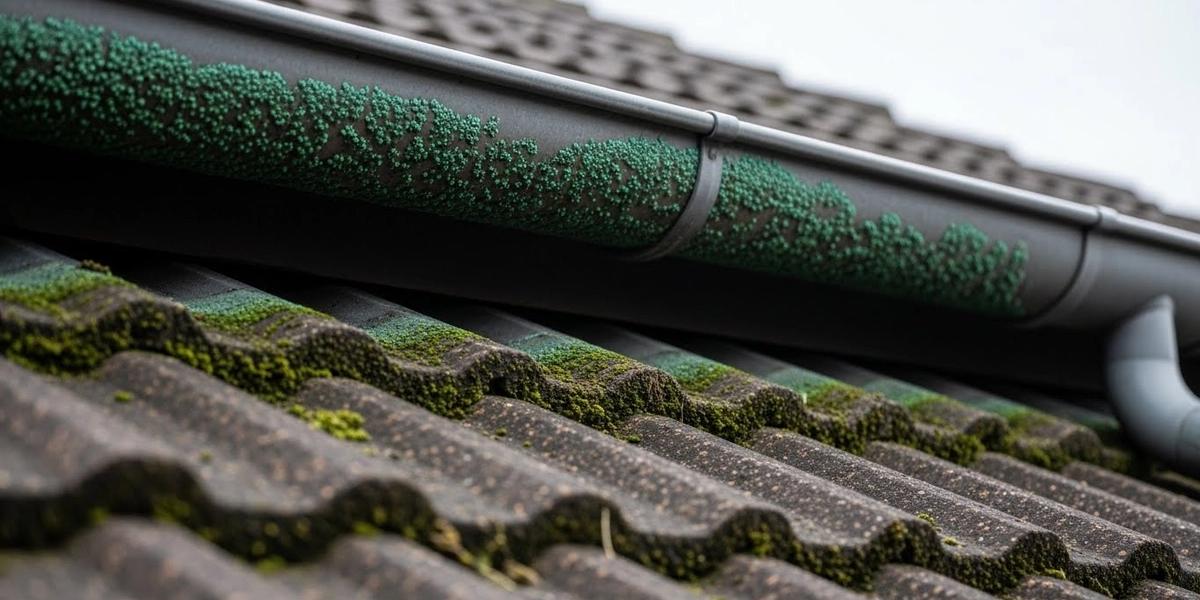
Why is the Atlanta area so prone to this issue? It comes down to a combination of environment and material composition.
1. The Humid Subtropical Climate
Cyanobacteria thrive in environments characterized by high humidity and consistent warmth. Atlanta’s average annual humidity remains high throughout the summer, providing the moisture necessary for these bacteria to colonize. When moisture from morning dew or heavy rain lingers on shingles, it creates a laboratory-perfect breeding ground.
2. Shingle Composition
Modern asphalt shingles are manufactured with limestone (calcium carbonate) as a filler. Unfortunately, Gloeocapsa magma feeds on limestone. As the bacteria consume the filler, they expand and darken to protect themselves from UV rays, which creates the characteristic "black streaks."
3. Shade and Poor Maintenance
North-facing roof slopes and areas shaded by our famous Georgia canopy (Oak and Pine trees) are the most susceptible. These areas stay damp longer, as they receive less direct sunlight to evaporate moisture. When gutters are clogged, they further contribute to a "wet edge" environment, accelerating the spread of the bacteria from the eaves upward.
Safe Removal Methods: Protecting Your Investment
Removing cyanobacteria requires a delicate balance. You must kill the organism without damaging the integrity of the asphalt shingles.
Important Note: Never use a high-pressure power washer on your roof. High pressure can strip away the protective granules of your shingles, effectively shortening the life of your roof by years.
Step 1: Safety and Preparation
Before beginning, ensure you have the proper protective gear: rubber gloves, eye protection, and slip-resistant shoes. Because you will be working with cleaning agents, cover your surrounding landscaping (bushes, flowers, and grass) with plastic sheeting or pre-soak them with water to prevent chemical runoff from damaging your plants.
Step 2: The "Soft Wash" Solution
The industry standard for cyanobacteria removal is a "soft wash" approach. This typically involves a mixture of:
- Sodium Hypochlorite (Bleach): To kill the bacteria.
- Water: To dilute the solution.
- Surfactant (Soap): To help the solution cling to the shingles.
A common ratio recommended by the Asphalt Roofing Manufacturers Association (ARMA) is a 50/50 mix of laundry-grade bleach and water.
Step 3: Application and Rinsing
Apply the solution using a low-pressure sprayer. Let it sit for approximately 15–20 minutes to penetrate the bacterial colonies. You will notice the black streaks begin to disappear. Finally, rinse the area thoroughly with a garden hose. The goal is to let the chemical do the work, not mechanical force.
Prevention and Maintenance
Once your roof is clean, the goal is to keep it that way. In a high-growth zone like Metro Atlanta, prevention is key to avoiding repeat cleanings.
- Zinc or Copper Strips: Installing these metallic strips at the roof peak can be highly effective. When it rains, metal ions wash down the roof, creating an environment that is toxic to cyanobacteria but safe for your shingles.
- Algae-Resistant Shingles: If you are nearing the time for a roof replacement, ask your contractor about "AR" (Algae-Resistant) shingles. These are manufactured with copper-containing granules that prevent growth for 10–25 years.
- Regular Inspections and Debris Removal: Ensure that overhanging branches are trimmed to allow more sunlight to reach the roof. Keep gutters clear to prevent moisture backup. A professional roofing inspection every two years can catch growth before it becomes a structural concern.
Conclusion
Ignoring black streaks on your Atlanta roof can lead to more than just a frustrated HOA. Over time, the growth of cyanobacteria can lead to increased cooling costs—as the dark streaks absorb more heat—and a shorter overall lifespan for your roofing materials.
By understanding that these streaks are a biological issue rather than a simple stain, you can take the right steps to treat your home with the care it deserves. Whether you choose to DIY with a soft-wash approach or hire a professional, addressing the issue today saves you from an expensive replacement tomorrow.
Are you tired of seeing dark streaks on your home? Contact our team of Atlanta roofing experts today for a professional roof health assessment and a safe, effective cleaning quote. Let us help you restore your home’s curb appeal and protect your investment.
Citations:
- Asphalt Roofing Manufacturers Association (ARMA), "Algae Discoloration on Roofs."
- University of Georgia Extension, "Managing Pests in the Home Landscape."